


Stand-up daily access
Feed, scoop, and health-check without crouching — the main reason buyers upgrade from compact coops.
The Cascade is the walk-in wooden chicken coop for buyers who want family-flock wood walk-in with nesting boxes and perches. It is built around 8-10 hen backyard flocks where daily access matters, with sizing and support details made clear before you add to cart.
Couldn't load pickup availability
Cascade is a wood walk-in chicken coop for owners who want stand-up access and a more finished backyard look. The page is written around 8-10 hen backyard flocks where daily access matters, with footprint, capacity, weather, and cleaning expectations kept visible before checkout.
Family-flock wood walk-in with nesting boxes and perches. Planned around 8-10 hens and a mid-size walk-in footprint footprint.
| Best fit: | 8-10 hen backyard flocks where daily access matters |
|---|---|
| Capacity: | 8-10 hens |
| Footprint: | mid-size walk-in footprint |
| Height / profile: | walk-in height |
| Primary material: | wood metal mesh |
| Assembly: | 3-6 hours |
| Shipping: | Flat-packed US delivery, with larger models arriving in several boxes. |
| Warranty: | 12-month warranty on frame and hardware |
8-10 hens is the planning range for standard breeds. Bantams can usually stock higher, while large breeds should stay below the upper rating to prevent crowding and pecking.
Cascade needs dry bedding, clear ventilation, and latch checks more than complicated maintenance. Keep nesting material fresh, scrape high-use roost areas, and add a predator apron where foxes or raccoons are common.
Plan for 3-6 hours before moving birds in. Flat-packed US delivery, with larger models arriving in several boxes. We recommend checking box contents before assembly and contacting support with photos if any part arrives damaged.
Yes, when stocked near the stated range and managed with dry bedding, airflow, and enough daytime movement. Large breeds should stay near the lower end.
The main difference is family-flock wood walk-in with nesting boxes and perches, plus the practical yard footprint and daily access pattern.
Mark out the mid-size walk-in footprint footprint, clear a flat build area, and plan 3-6 hours for assembly before moving birds in.
Picking the right walk-in wooden chicken coop comes down to four checks every keeper should make before ordering: flock size today and in 12 months, predator pressure in your area, assembly time you can realistically commit, and climate exposure.
Every backyard chicken coop benefits from a few targeted upgrades. The most popular pairings with Cascade are:
Wood insulates better in winter, looks natural in a landscaped yard, and is easier to add features to (extra perches, external nesting boxes, painted finishes). Metal walk-in runs handle wind and rain better and resist mites, but lack the warmth and aesthetic of wood.
Every coop in this line ships with a weatherproof factory finish. For a 10-year lifespan, plan to re-seal exposed panels every 2-3 years with an outdoor stain or paint. Avoid placing the coop where snowmelt or roof runoff pools.
Most walk-in wooden coops in our line have 5'10" to 6'6" interior clearance — comfortable for cleaning, egg collection, and adding perches without crouching.
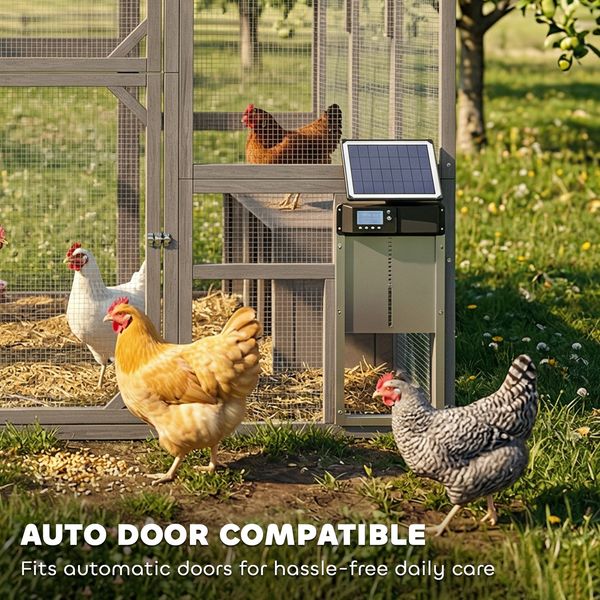
Yes — the Watchman automatic chicken coop door fits any standard pop-door opening (~12 × 14 in). Mounting brackets are universal across wooden frames.
Depends on the model — see the capacity badge on each product page. Range across our walk-in wood line is 3-20 hens. For larger flocks, see our extra large chicken coops collection.
Wood combined with hardware cloth on the run and a closing pop-door is predator-resistant against raccoons, hawks, weasels, and most rodents. Pair with the auto-door for hands-free dusk lockout.
Looking for a quick comparison? See our best chicken coops hero collection, or browse all chicken coops for sale in the catalog. Ships from our US warehouse with free shipping on most orders. US-based support if you have a question before or after assembly.
Walk-in models are sized for adult standing height in the run section. Capacity figures assume standard hens with daytime access only. Heavy breeds stock lower.
Fir or treated softwood frame with mesh side panels. Painted or stained outer finish. Wood requires annual re-sealing in regions with heavy rain or full-sun exposure. Treated wood resists ground moisture but should not sit directly in standing water.
Full-height door and walk-in interior make feeding, watering, egg collection, and inspection faster than crouching into a small hatch. Best fit for owners who interact with the flock daily rather than once a week.
Mesh side panels protect against airborne and standing predators. For digging predators (foxes, raccoons), add a buried hardware cloth apron around the perimeter. Upgrade latches to spring-loaded locks if raccoons are active in your area.
Internal roost bars positioned for natural perching. Dedicated nesting boxes with external or interior access depending on the model. Refresh bedding every 1-2 weeks.
Typical build: 4-8 hours. Two-person assembly strongly recommended for squaring the frame and lifting roof panels. Tools: cordless drill, wrench set, level, ladder for roof install.
Ships flat-packed in multiple boxes by parcel carrier from our US warehouse. Larger XL models may ship LTL freight to curbside. Transit 5-10 business days.
30-day returns on unassembled product. 1-year warranty on frame and hardware. Replacement parts available through our support team.


Walk-in wood coops are about stand-up access, flock capacity, and annual wood maintenance in your climate.

You should stand upright inside for feeding and cleaning. Measure gate clearance in your yard path.
Walk-in coops still need correct stocking density. Heavy breeds need the upper end of both ranges.
Re-seal or stain exposed wood yearly in wet climates. Mesh and hardware stay year-round.
What buyers upgrade to when compact coops feel too cramped for daily chores.

Feed, scoop, and health-check without crouching — the main reason buyers upgrade from compact coops.
Painted or stained wood fits landscaped patios better than utilitarian metal-only runs.
Built-in roosts and nesting mean fewer separate purchases than pairing a metal run with a small coop.
Wood needs a seasonal rhythm — seal, ventilate, and predator-check.
Typical upkeep: 4–6 hours per year including one annual wood seal on exposed surfaces.
Treated wood coops last 8-12 years when you stick to a simple seasonal routine. Skip the routine and you cut that life in half. Here is the schedule most owners follow.
After the wet season, re-coat exposed wood (especially the lower 18 inches), check roof seams for daylight, and clear winter debris from the run base.
Confirm cross-airflow between mesh panels and roof gables. Add tarps or natural shade if the run gets direct afternoon sun for more than 4 hours.
Tighten all corner brackets and door hinges before frost. Refresh deep-bedding inside the house, block wind drafts, and verify nesting box weatherproofing.
Brush snow off the roof after each storm, check interior for condensation buildup, and confirm bedding stays dry. Avoid running heaters except below -10°F.
Answer 4 quick questions. Get the exact coop and run footprint your flock needs.
Counting current hens plus any you plan to add this year.
Pick the zone that matches your winters and summers.
Pick the category most of your flock falls into.
How many hours your flock spends outside the run, on average.
Crunching square footage…
Free guide: flock-growth roadmap, seasonal maintenance checklist, and a printable build-specs sheet for your contractor.
Stand-up interior height for daily chores, plus a finished wood look that fits landscaped yards.
Re-seal or stain exposed wood annually in wet climates. Inspect mesh and latches each season.
Yes with dry bedding, ventilation, and a windbreak on one open side. Hens tolerate cold better than damp.
Recommended in raccoon and fox country. Buried hardware cloth stops most dig-in attempts.
Compact models: 3–5 hours. Large walk-ins: 5–8 hours with two people.


